Call us on 0808 303 0777

Drain Relining & Patch System Repair — No-Dig Technology, 10-Year DrainsCo Guarantee

Not every damaged drain needs digging up. In many cases, the most effective, least disruptive, and most durable repair is carried out from the inside without a single trench being excavated.

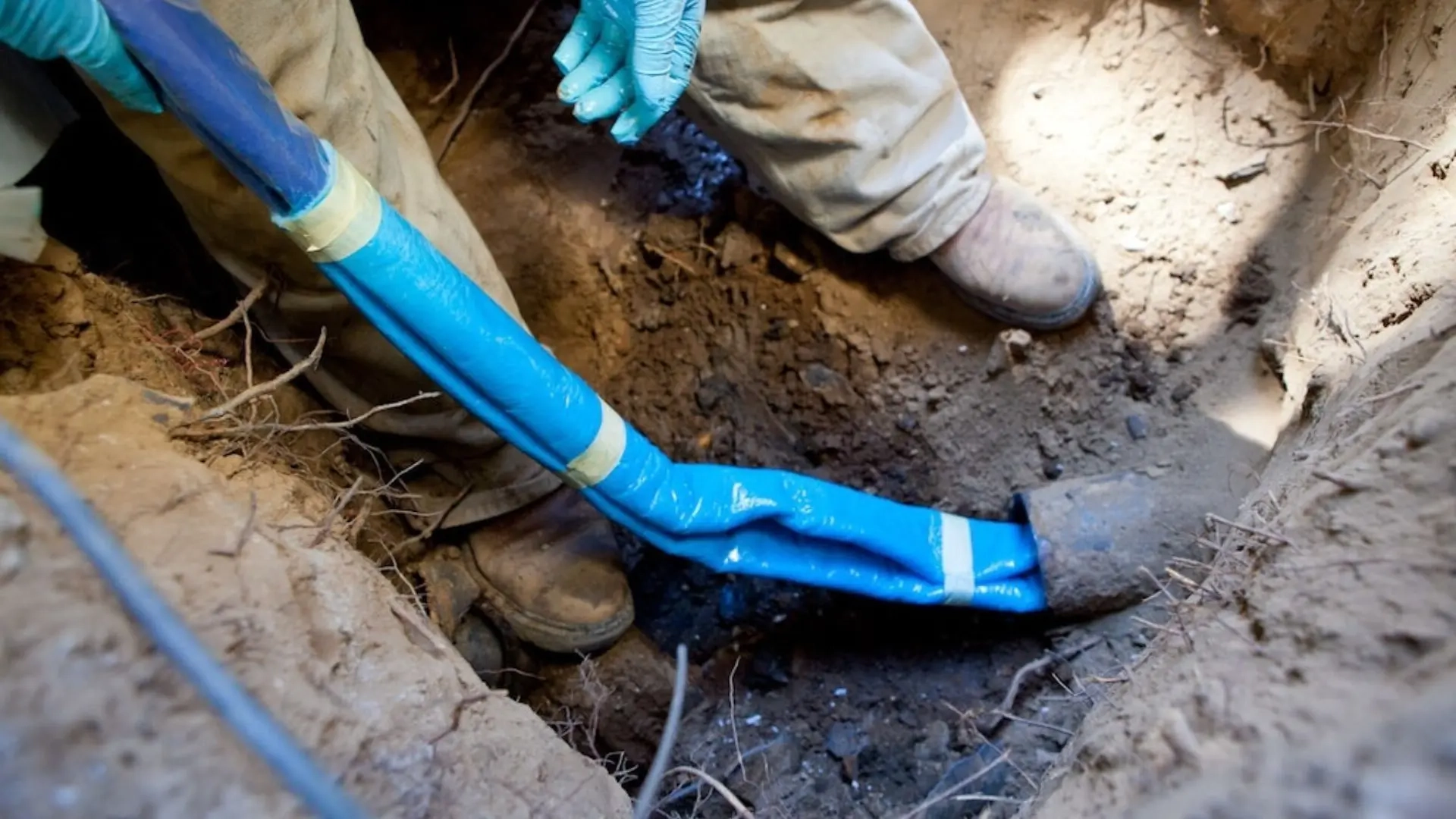
DrainsCo’s drain relining service uses CIPP (Cured-In-Place-Pipe) technology to create a seamless new pipe inside your existing damaged drain. For isolated defects, our patch system repair targets individual cracks, fractures, and joint displacements with pinpoint precision. Both methods are carried out through existing access points, restore full structural integrity, and are backed by our 10-year guarantee.
  • No call-out surcharges.
  • No night-rate premiums.
  • No weekend markups.
Just fast, reliable drain unblocking when you need it most.
1.5k Reviews
What we offer

CIPP Drain Relining

What Is CIPP Relining?

CIPP (Cured-In-Place-Pipe) relining is a trenchless repair method that installs a new pipe inside your existing damaged pipe. A flexible liner made of polyester or fibreglass felt is saturated with a structural thermosetting resin, inserted into the drain, and inflated to press firmly against the pipe walls. The resin is then cured (hardened) using hot water, steam, or UV light, forming a rigid, jointless, corrosion-resistant pipe-within-a-pipe.
How CIPP Relining Works

  1. CCTV survey — The damaged drain is surveyed to map every defect, measure pipe diameter, and confirm that relining is the appropriate repair method.
  2. Pipe preparation — The drain is cleared using jetting and/or rodding to remove blockages, debris, and root mass. For pitch fibre drains, re-rounding is carried out to restore the circular profile.
  3. Liner installation — The resin-saturated liner is pulled or inverted into the pipe through an existing access point (manhole or inspection chamber).
  4. Inflation — The liner is inflated using air pressure to push it tightly against the host pipe walls, conforming to the pipe’s shape and sealing every crack, fracture, and joint.
  5. Curing — The resin is cured to form a hard, structural pipe. Curing methods include circulating hot water, steam, or UV light, depending on the resin system.
  6. Reconnection & verification — Lateral connections (branches feeding into the relined pipe) are reopened using a robotic cutter. A final CCTV survey verifies the completed reline.
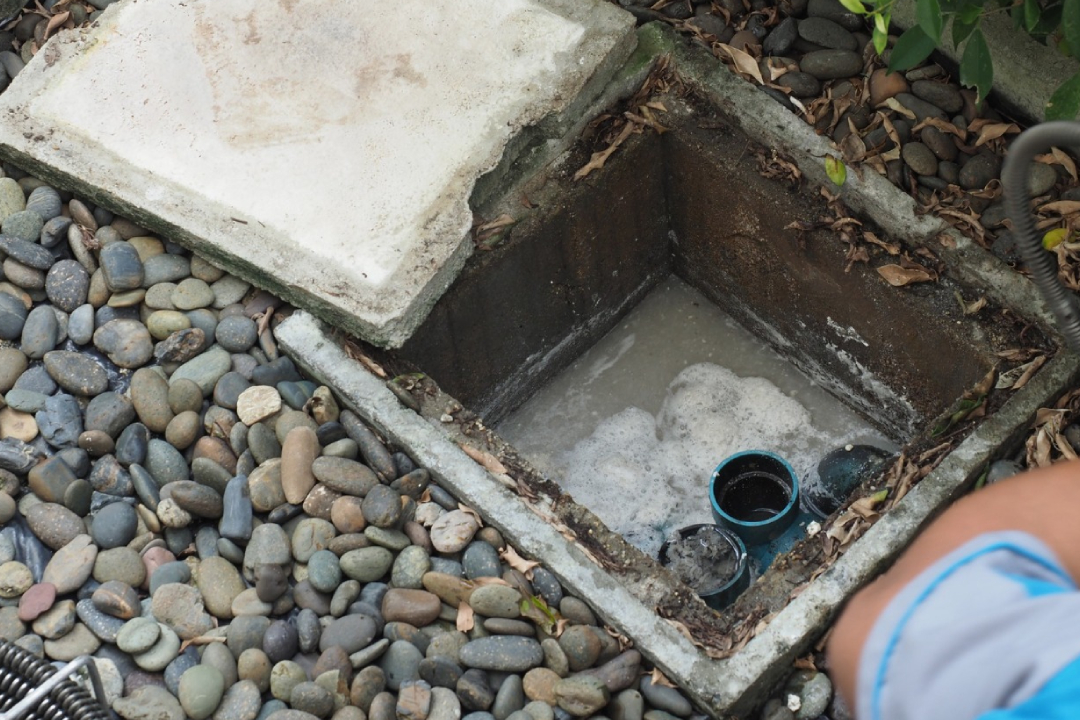
Tree Root Intrusion

Benefits of CIPP Relining

  • No excavation required — No digging up gardens, driveways, floors, or pathways. All work is carried out through existing access points.
  • 50+ year expected lifespan — The cured liner is a structural, load-bearing pipe designed for long-term service.
  • Jointless construction — The liner forms a seamless pipe with no joints, eliminating the most common root entry and displacement points.
  • Chemical & corrosion resistant — The cured resin is resistant to chemical attack, scaling, and biological degradation.
  • Improved flow characteristics — The smooth internal surface of the liner can actually improve flow rates compared to the original pipe.
  • 10-year DrainsCo guarantee — Covering both the liner material and our workmanship.

When CIPP Relining Is Suitable

CIPP relining is effective for cracked, fractured, root-damaged, displaced, corroded, and deformed (pitch fibre) pipes from 100mm to 600mm+ diameter. It is not suitable for fully collapsed pipes where the bore has been lost, or in very rare cases where the pipe material cannot support a liner. A CCTV survey confirms suitability.
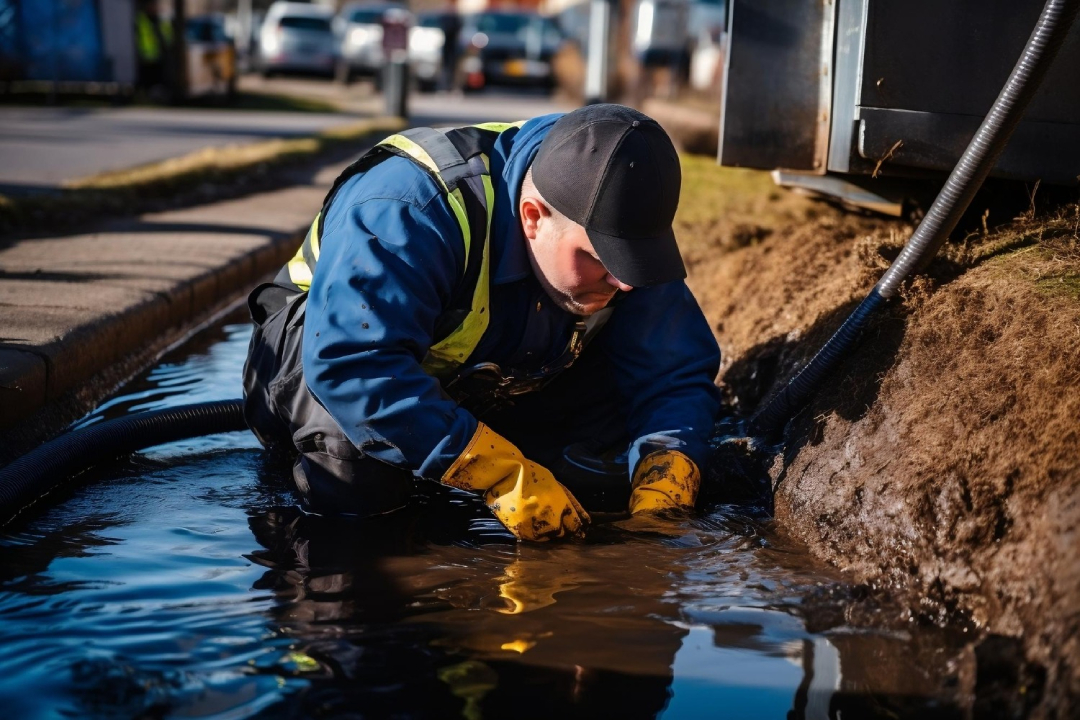
Flooding caused
Drain Patch

Patch System Repair

What Is Patch Repair?

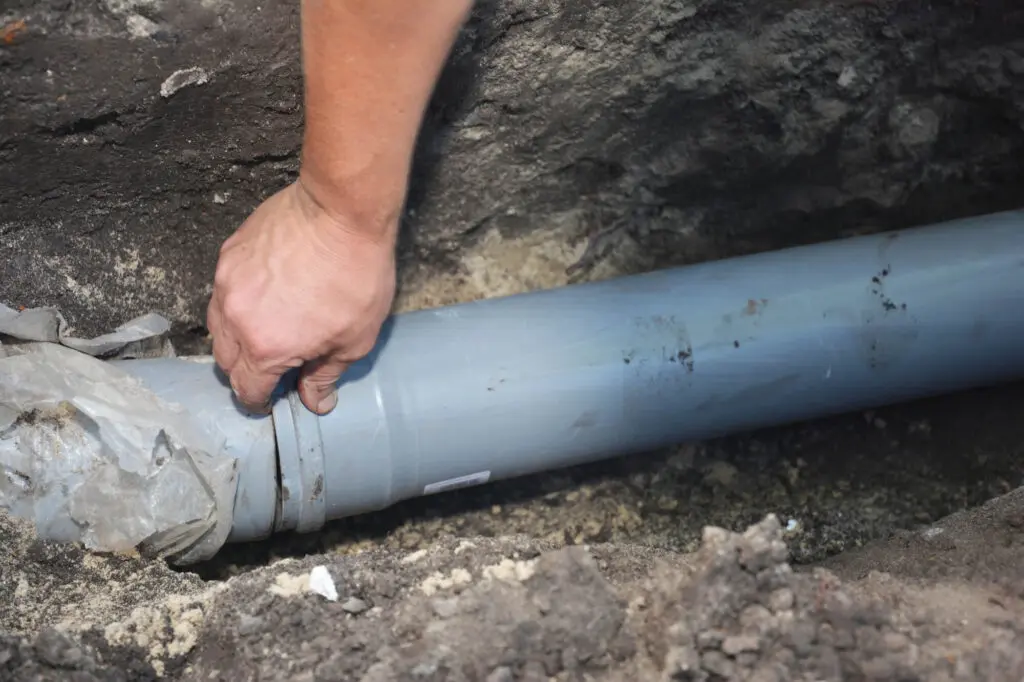
A patch repair is a targeted, no-dig repair that addresses a single defect without relining the entire pipe. A short section of resin-impregnated material is positioned over the specific crack, fracture, or damaged joint using a packer (inflatable positioning device), then cured in place to form a localised structural repair.

When Patch Repair Is the Right Choice

  • A single crack or fracture — One isolated defect on an otherwise sound pipe doesn’t justify a full reline.
  • An individual displaced joint — One joint that has shifted, allowing root intrusion or leakage, while the rest of the system is intact.
  • A root entry point — Where roots are entering through a specific joint or crack that can be sealed by a patch.
  • Budget-conscious repair — Patch repair is more affordable than full relining when the damage is localised.

Patch repairs carry the same 10-year DrainsCo guarantee as full CIPP relining, covering the repaired section.

Patch Repair Process

  1. CCTV location of the defect — The exact position, size, and nature of the defect are mapped on camera.
  2. Pipe cleaning — The affected area is jetted clean to ensure the patch bonds securely.
  3. Patch preparation — A resin-saturated patch of the correct size is prepared and loaded onto the positioning packer.
  4. Positioning & inflation — The packer is advanced to the exact defect location using CCTV guidance and inflated, pressing the patch against the pipe wall over the defect.
  5. Curing & verification — The resin cures to form a hard, bonded repair. A final CCTV survey confirms the patch is correctly placed and sealed.
Process

Relining vs Repair vs Replacement

FactorPatch RepairCIPP ReliningFull Replacement
Best forSingle, isolated defectsMultiple defects or full pipe deteriorationComplete collapse or material failure
ExcavationNoneNoneYes — full trench
Typical costFrom £350From £800 per runFrom £2,500+
Completion time2–4 hours1 day2–5 days
Expected lifespan50+ years50+ years60+ years
DrainsCo guarantee10 years10 years10 years
Disruption levelMinimalMinimalSignificant

Frequenty Asked Questions

We believe in complete transparency. Here are the most frequent questions we receive from our customers regarding our 24/7 drainage solutions.

CIPP drain relining typically costs from £800 per pipe run for domestic properties, with costs varying based on pipe diameter, length, access, and the number of lateral connections requiring reopening. Patch repairs start from around £350. DrainsCo provides a fixed-price quote based on CCTV survey findings.

A CIPP-relined pipe has an expected service life of 50 years or more. The cured liner is a structural, load-bearing pipe that resists root intrusion, chemical corrosion, and ground movement. DrainsCo backs all relining work with a 10-year guarantee on materials and workmanship.

Most damaged drains can be relined, provided the pipe bore is still accessible for the liner. CIPP relining works on pipes from 100mm to 600mm+ diameter with cracks, fractures, root damage, displaced joints, corrosion, and deformation. The only situations where relining is not viable are fully collapsed pipes where the bore has been lost. A CCTV survey confirms whether your drain is suitable for relining.

Yes. In many respects, a relined pipe outperforms a new pipe: the CIPP liner is jointless (eliminating the most common failure points), chemically resistant, and has a smoother internal surface that can improve flow. The structural strength of the liner meets or exceeds the requirements for new pipework.

No. CIPP relining and patch repair are fully trenchless methods. All work is carried out through existing manholes, inspection chambers, or access points. There is no excavation, no disruption to your garden, driveway, or floors, and no reinstatement required.

Relining installs a continuous new pipe inside the full length of the damaged section. Patch repair targets a single defect with a localised fix. Relining is recommended when multiple defects are present or the pipe is generally deteriorated. Patch repair is ideal for a single isolated crack, fracture, or joint displacement. Both carry DrainsCo’s 10-year guarantee.

Copyright © 2026 Drains Co. all rights reserved.
In a hurry? Call us directly at 0808 303 0777

Need Expert Drainage Advice?

Day or night, we’ve got you covered. Complete the form below for an instant callback and a free estimate.
Locations we serve