Call us on 0808 303 0777

Pitch Fibre Drains — Specialist Diagnosis, Repair & Replacement

Pitch fibre pipes were widely installed in UK properties from the 1950s to the mid-1970s as a lightweight, low-cost alternative to clay drainage. Made from wood cellulose impregnated with coal tar pitch, these pipes were expected to last 30-40 years and most have now significantly exceeded that lifespan.

The result is a generation of drainage systems suffering from deformation, blistering, cracking, and collapse. If your property was built between 1950 and 1975, there’s a strong chance your drains are pitch fibre and DrainsCo has the specialist equipment and experience to diagnose the condition, explain your options, and carry out the right solution.
  • No call-out surcharges.
  • No night-rate premiums.
  • No weekend markups.
Just fast, reliable drain unblocking when you need it most.
1.5k Reviews
Regulations

How to Identify Pitch Fibre Drains

DrainsCo Drainage Specialists suggest that you might have pitch fibre drains if:
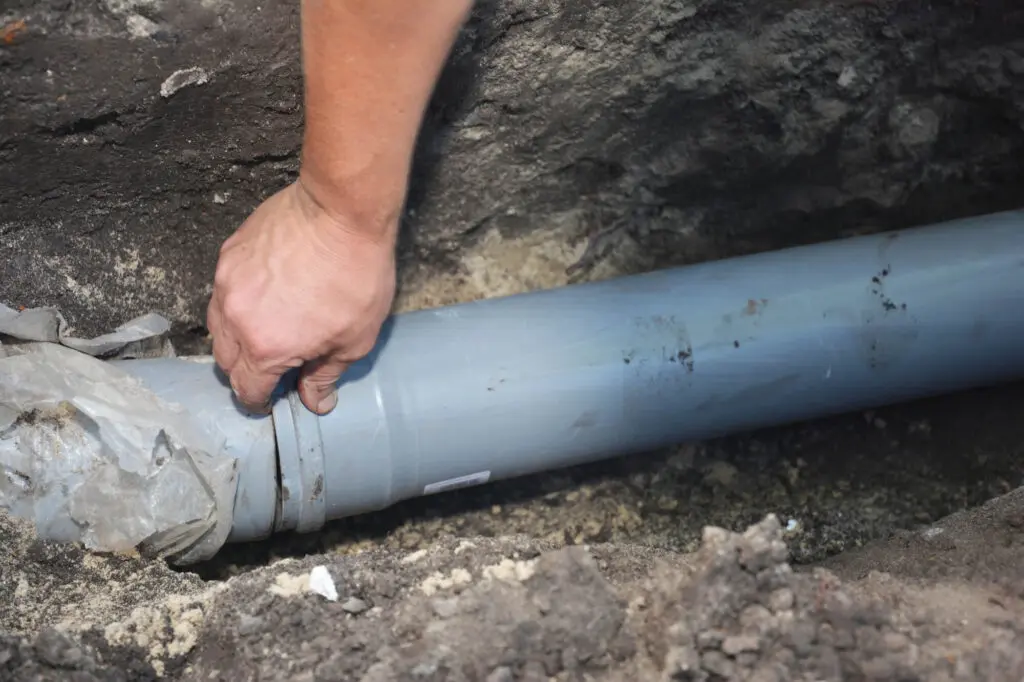
  • Your property was built between 1950 and 1975 — This was the peak installation period for pitch fibre in the UK.
  • A CCTV survey shows deformed or oval-shaped pipes — Pitch fibre pipes lose their circular profile over time, collapsing inward under ground pressure.
  • You experience recurring blockages that clear temporarily — Deformed pitch fibre traps waste at narrowed points, causing repeated partial blockages.
  • Your surveyor flagged “pitch fibre” in a homebuyer’s drain survey — Property surveys increasingly identify pitch fibre as a material risk.
  • The pipe has a rough, fibrous internal texture on camera — Unlike the smooth bore of PVCu or glazed clay, pitch fibre has a visibly textured surface.
Pitch Fibre

Pitch Fibre Drain Problems

Deformation (Ovalling)

The most common pitch fibre failure. Ground pressure causes the pipe to flatten from a circle into an oval, reducing internal capacity by up to 50% or more. Deformation worsens over time and eventually causes complete flow restriction.

Blistering

The coal tar pitch coating separates from the cellulose core, creating internal bubbles (blisters) that protrude into the pipe bore and trap waste. Blistering is often the first stage of more severe deterioration.

Cracking & Fracture

As pitch fibre becomes brittle with age, cracks form along the pipe length and at joints. These allow groundwater ingress, root intrusion, and soil migration into the drainage system.

Collapse

In advanced stages, the pipe structure fails entirely, creating voids underground that trap waste and can cause sinkholes or subsidence above the pipe run.
What we offer

Pitch Fibre Drains Treatment Options

Re-Rounding & CIPP Relining

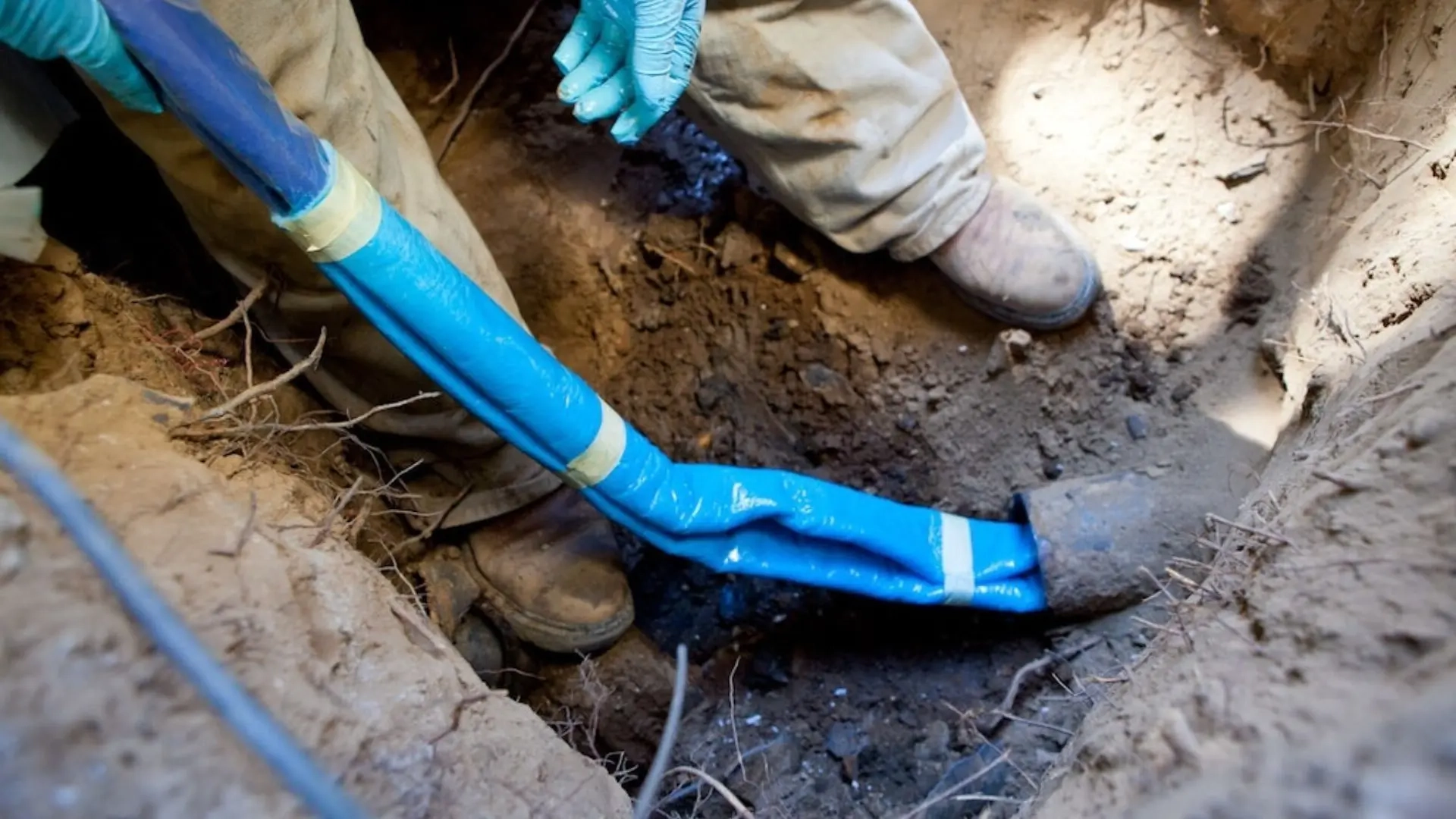
For pitch fibre pipes that have deformed but not collapsed, re-rounding restores the circular profile using a specialist winch-driven tool that physically pushes the pipe walls back into shape. Immediately after re-rounding, a CIPP resin liner is installed inside the pipe to create a new structural pipe-within-a-pipe that prevents the pitch fibre from deforming again.

This is the most common and cost-effective treatment for deformed pitch fibre. It avoids excavation entirely and is backed by DrainsCo’s 10-year guarantee on relining work.
House Extension & Home Improvement Drainage

Patch Repair

For localised damage such as a single blister, crack, or short deformed section, a patch repair places a targeted resin liner over the specific defect without treating the full pipe length. This is faster and more affordable than a full reline for isolated problems.
New Build Drainage Systems

Full Excavation & Replacement

When pitch fibre has collapsed, fragmented, or deteriorated beyond the point where relining can provide a structural repair, full excavation and replacement with modern PVCu pipework is the permanent solution. DrainsCo excavates and removes the pitch fibre, installs new drainage to Building Regulations standards, and reinstates all disturbed surfaces.

Frequenty Asked Questions

We believe in complete transparency. Here are the most frequent questions we receive from our customers regarding our 24/7 drainage solutions.

Pitch fibre drains are not an immediate emergency, but they are a known deteriorating material. If your property has pitch fibre drainage, a CCTV survey will reveal the current condition and help you plan proactive treatment before a blockage or collapse occurs. Many homeowners address pitch fibre after a survey flags early-stage deformation.

Re-rounding and relining a standard domestic pitch fibre run typically costs between £1,500 and £4,000 depending on the length and number of access points. Full excavation and replacement is generally more expensive, starting from £2,500. DrainsCo provides a fixed-price quote based on CCTV survey findings.

Yes, provided the pipe has not fully collapsed. Re-rounding restores the pipe’s shape, and a CIPP liner is then installed to create a permanent new pipe inside the old pitch fibre shell. This is DrainsCo’s recommended approach for most pitch fibre problems and carries a 10-year guarantee.

Pitch fibre drains can be flagged in homebuyer’s drainage surveys and may concern potential buyers or mortgage lenders. Having a CCTV report showing the current condition or evidence that the drains have been relined or replaced which provides reassurance and can prevent delays in the sale process.

A CCTV drain survey is the definitive way to identify pipe material. DrainsCo’s engineers can identify pitch fibre on camera by its characteristic fibrous internal texture, oval deformation profile, and distinctive response to the pipe’s age and material. If your property was built between 1950 and 1975, a survey is recommended.


Copyright © 2026 Drains Co. all rights reserved.
In a hurry? Call us directly at 0808 303 0777

Need Expert Drainage Advice?

Day or night, we’ve got you covered. Complete the form below for an instant callback and a free estimate.
Locations we serve