Call us on 0808 303 0777

Septic Tank Installation By Experts– Designed, Installed & Fully Compliant

Properties without access to the public sewer network rely on private drainage — and getting it right means navigating environmental regulations, ground conditions, and system design simultaneously.

DrainsCo designs and installs septic tanks, sewage treatment plants, and cesspit systems for residential, agricultural, and commercial properties across England. Every installation is designed to meet current Environment Agency General Binding Rules and Building Regulations, sized for your property’s occupancy and usage, and backed by our 10-year guarantee.
  • No call-out surcharges.
  • No night-rate premiums.
  • No weekend markups.
Just fast, reliable drain unblocking when you need it most.
1.5k Reviews
What we offer

Off-Mains Drainage Systems We Install

Soakaway Installation

Septic Tanks

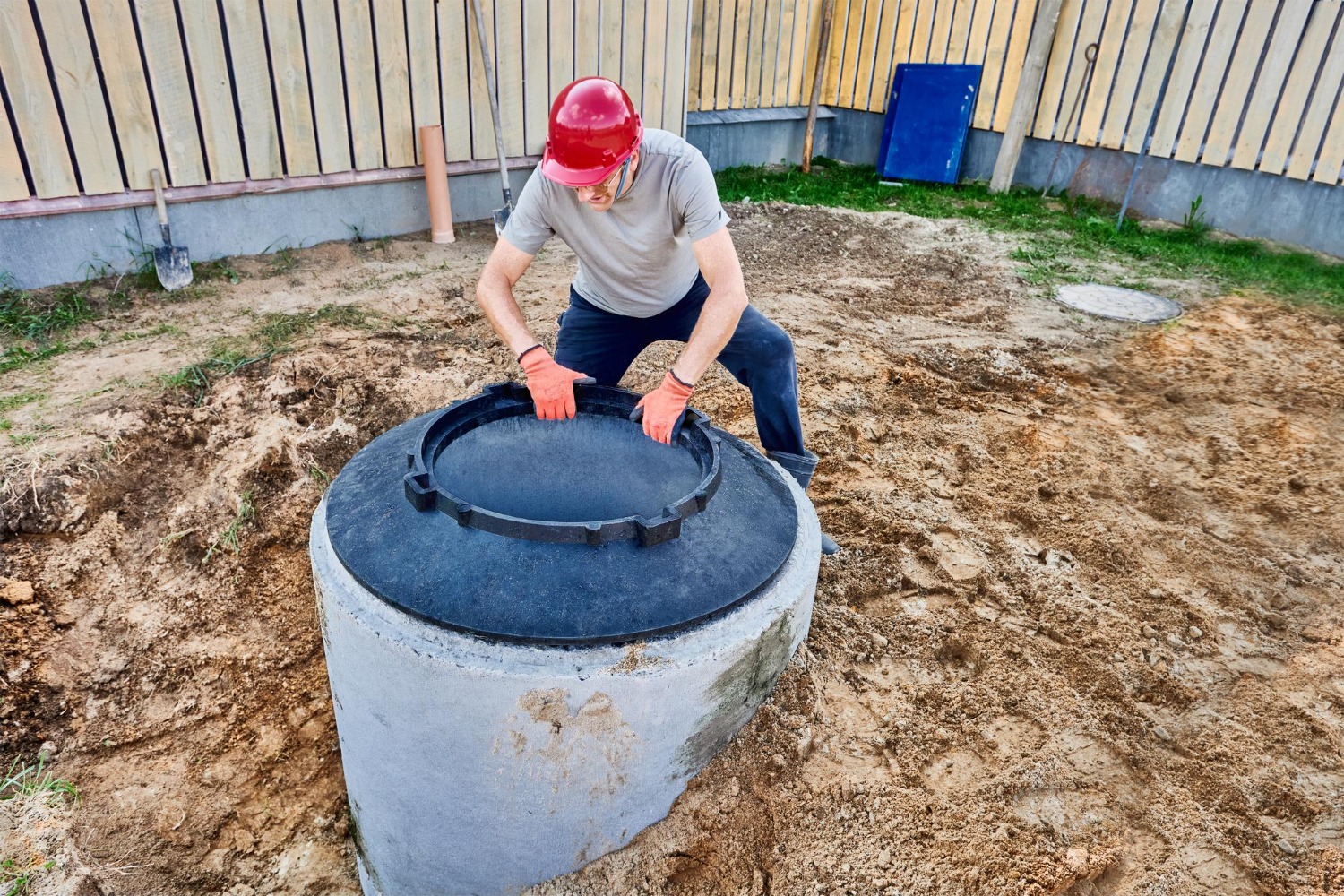
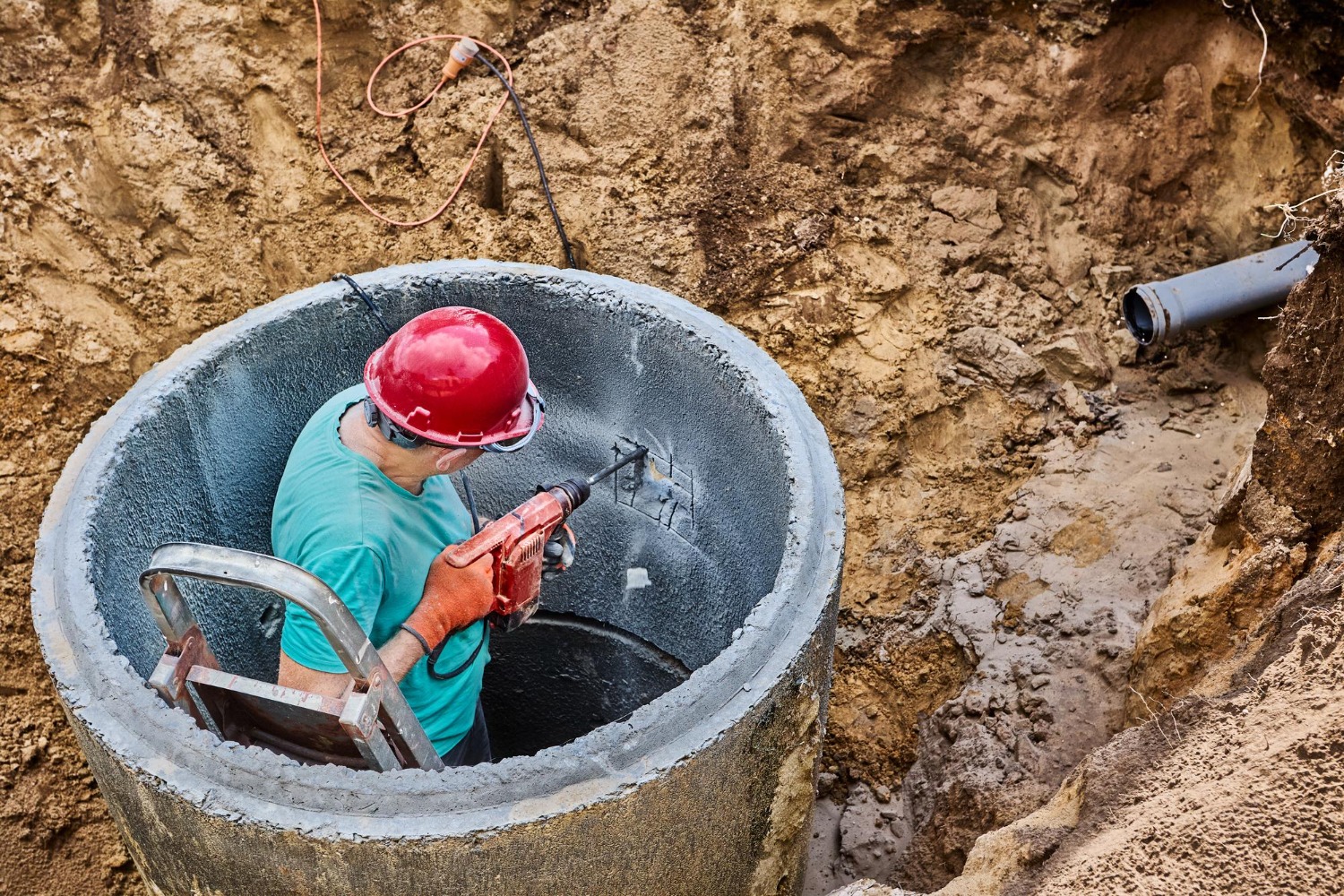
A septic tank is an underground settlement chamber that separates solid waste from liquid effluent. Solids settle to the bottom of the tank and are broken down by anaerobic bacteria, while partially treated liquid flows out to a drainage field (soakaway) for final treatment in the soil. Septic tanks are suitable for properties on permeable ground with sufficient space for a compliant drainage field.

Since January 2020, septic tanks in England are no longer permitted to discharge directly to a watercourse. If your existing tank discharges to a stream, ditch, or river, it must be replaced with a sewage treatment plant or upgraded with a compliant drainage field. DrainsCo advises on the most cost-effective route to compliance.

Sewage Treatment Plants

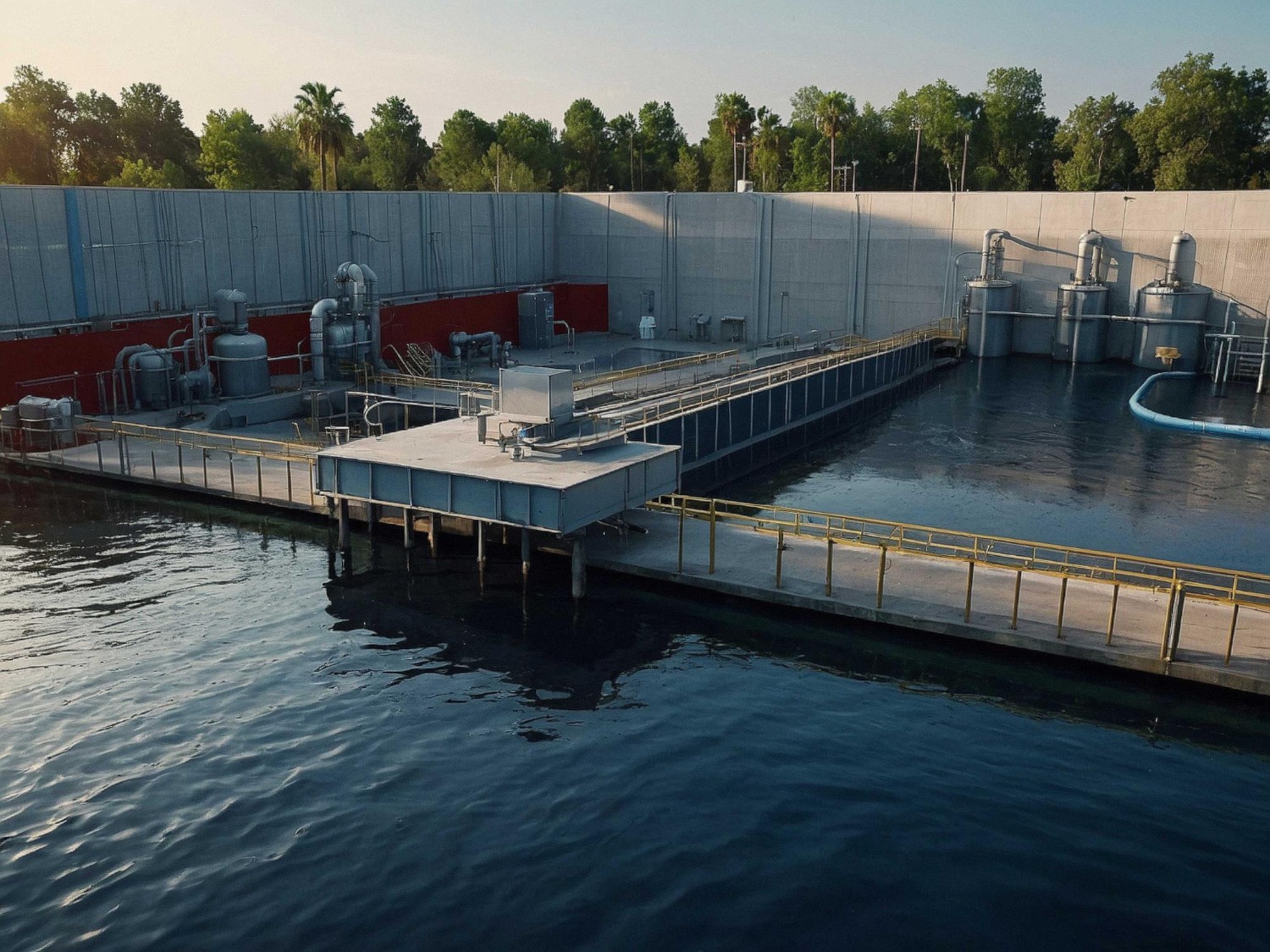
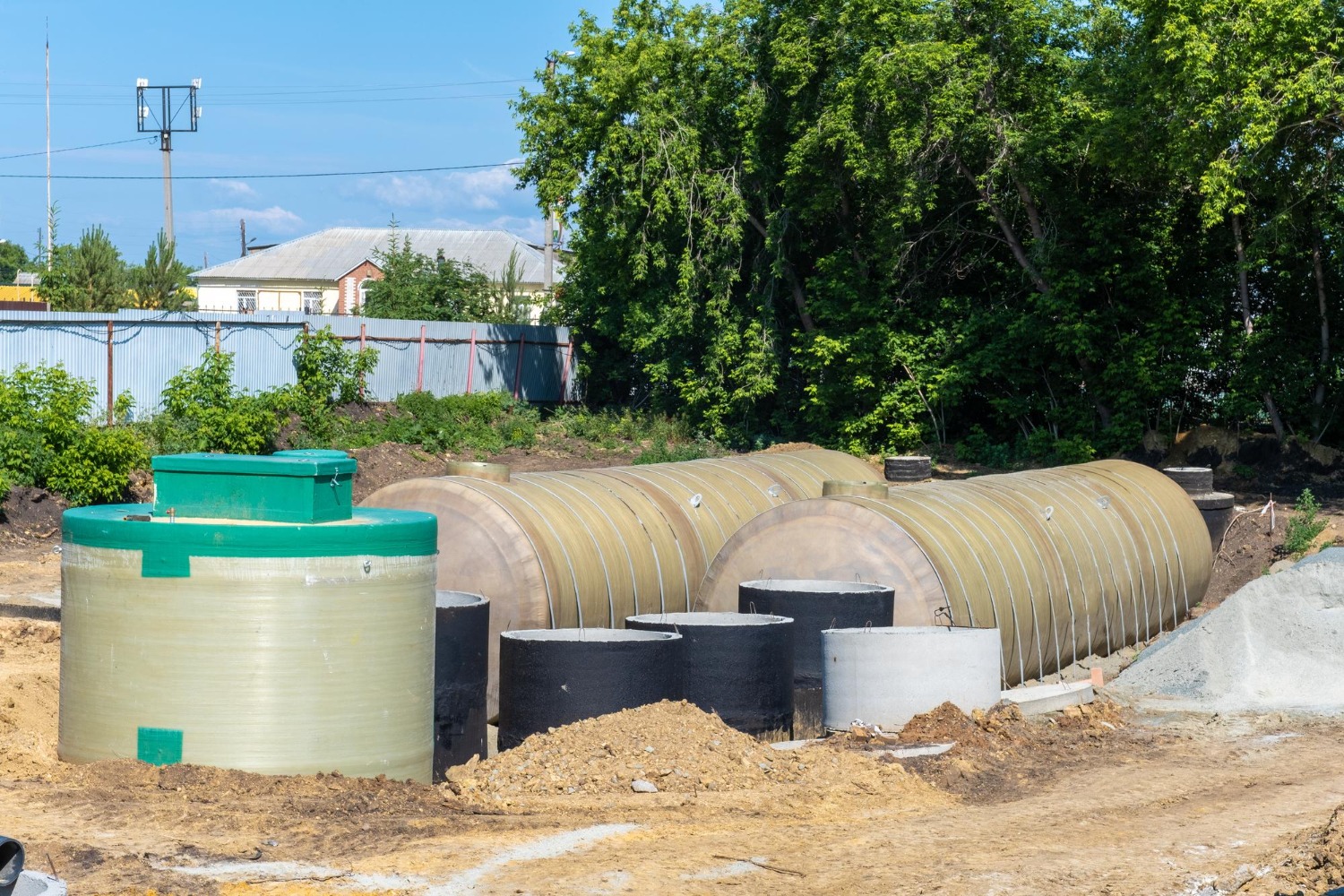
A sewage treatment plant (also called a package treatment plant) provides a higher level of effluent treatment than a septic tank. These systems use aeration and biological processes to produce a final effluent clean enough to discharge directly to a watercourse under the Environment Agency’s General Binding Rules — without requiring a drainage field.

DrainsCo installs treatment plants from leading manufacturers. Treatment plants are the recommended solution for properties with impermeable ground, limited space, high water tables, or where a drainage field is not viable.
Sewage Treatment Plants
Cesspit / Cesspool Systems

Cesspit / Cesspool Systems

A cesspit is a sealed, watertight tank with no outlet. All waste is stored and must be emptied regularly by a licensed tanker. Cesspits are a last-resort solution where neither a septic tank nor a treatment plant is feasible due to ground or space constraints. DrainsCo installs cesspits to the required standards but will always explore alternatives first due to the ongoing operational costs.

Drainage Fields & Soakaways

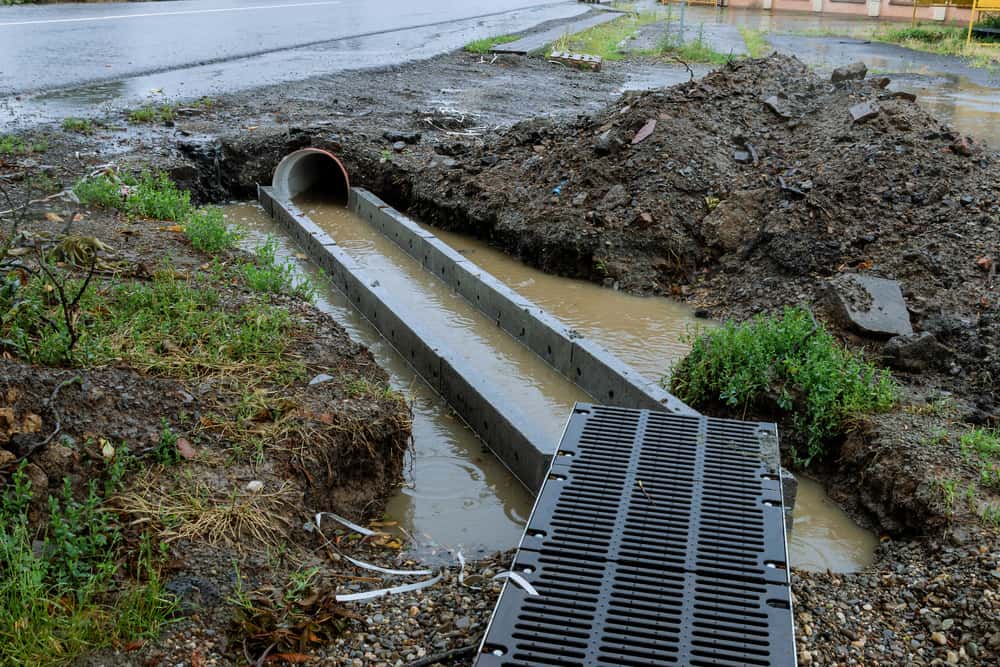
Most septic tank installations require a drainage field (also known as a soakaway or infiltration system) to disperse treated effluent into the ground. DrainsCo carries out percolation testing to assess your soil’s absorption rate, designs the drainage field to BS 6297 standards, and installs the full system with inspection access points for future maintenance.
Regulations

Regulations & Compliance

Full Drainage Replacement

Off-mains drainage in England is governed by a combination of Environment Agency General Binding Rules, Building Regulations Approved Document H, and the Environmental Permitting Regulations. DrainsCo designs every installation to satisfy all applicable requirements:

  • General Binding Rules (2015, amended 2020) — These set the conditions under which a septic tank or treatment plant can operate without a bespoke Environment Agency permit. Key requirements include: no discharge to a watercourse from a septic tank, maximum daily discharge volumes, minimum distances from watercourses and water supplies, and system sizing for the property.
  • Building Regulations Part H — All new off-mains drainage installations must meet Building Regulations standards for tank sizing, drainage field design, depth, access, and ventilation.
  • BS 6297 — The British Standard for the design and installation of drainage fields serving septic tanks.
  • Environmental Permitting — If your installation falls outside the scope of the General Binding Rules (e.g., daily discharge exceeds limits, or the property is in a sensitive area), a bespoke permit from the Environment Agency is required. DrainsCo manages the application process.
Process

Our Installation Process

Site survey & percolation testing

We visit the site, assess ground conditions, carry out porosity tests on the proposed drainage field area, and determine the optimal system type and location.

System design

We design the full installation: tank size, drainage field layout, pipe routing, and ventilation. The design is prepared for Building Control submission.

Regulatory compliance checks

We confirm the installation meets General Binding Rules or, if necessary, prepare and submit an Environmental Permit application.

Excavation & tank installation

The tank chamber is excavated, the tank is craned or rolled into position, backfilled, and connected to the property’s drainage and the drainage field or discharge point.

Drainage field construction

Where required, we excavate and install the distribution pipework, aggregate bed, and geotextile membrane for the drainage field.

Commissioning, inspection & handover

The system is filled, tested, and commissioned. We coordinate the Building Control inspection and provide you with a complete handover pack including your 10-year guarantee, maintenance schedule, and compliance documentation.

Frequenty Asked Questions

We believe in complete transparency. Here are the most frequent questions we receive from our customers regarding our 24/7 drainage solutions.

A standard domestic septic tank installation typically costs between £3,000 and £8,000 including the tank, drainage field, excavation, and Building Control fees. Sewage treatment plants generally cost £5,000 to £12,000+ installed. Costs vary based on ground conditions, tank size, and site access. DrainsCo provides a fixed-price quote after the site survey and percolation testing.

In most cases, septic tank and treatment plant installations are permitted development and do not require planning permission. However, you must comply with the Environment Agency’s General Binding Rules and obtain Building Regulations approval. In designated areas (Conservation Areas, AONBs, SSSIs), additional planning requirements may apply. DrainsCo advises on all regulatory requirements for your specific site.

Yes, and in many cases you’re now required to. Since 2020, septic tanks discharging to a watercourse in England must be replaced with a sewage treatment plant or upgraded with a compliant drainage field. DrainsCo carries out the assessment, recommends the most cost-effective solution, and handles the full replacement.

A correctly sized and functioning septic tank typically needs emptying once every 12–24 months, depending on the number of occupants and usage levels. Sewage treatment plants generally produce less sludge and may need emptying less frequently. DrainsCo provides a maintenance schedule with every installation.

A percolation test (also called a porosity test or perc test) measures how quickly water drains through your soil. The results determine whether a drainage field is viable and, if so, what size it needs to be. DrainsCo carries out percolation testing as part of every septic tank site survey, following the methodology in BRE Digest 365 and BS 6297.


Copyright © 2026 Drains Co. all rights reserved.
In a hurry? Call us directly at 0808 303 0777

Need Expert Drainage Advice?

Day or night, we’ve got you covered. Complete the form below for an instant callback and a free estimate.
Locations we serve