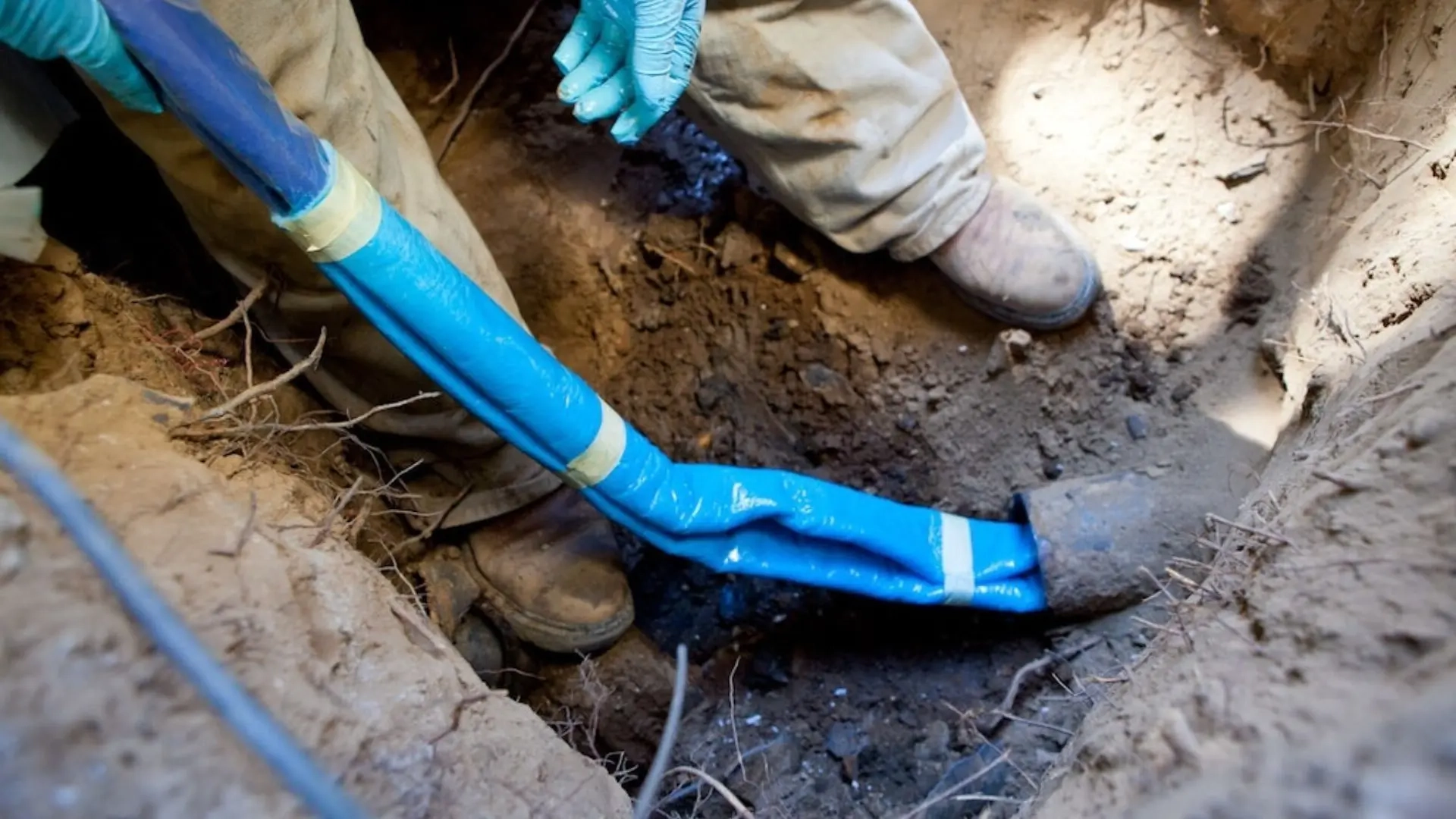
CIPP relining is a no-dig repair method that creates a seamless new pipe inside your existing damaged pipe. A flexible liner saturated with structural resin is inserted into the drain, inflated to press against the pipe walls, and cured using hot water, steam, or UV light until it hardens into a rigid, jointless pipe-within-a-pipe.
CIPP relining is suitable for pipes with cracks, fractures, root intrusion damage, displaced joints, and localised corrosion. It can be carried out through existing access points without excavating your garden, driveway, or building floor. The new liner has an expected service life of 50+ years and is backed by Drainsco’s 10-year guarantee.
For localised damage — a single crack, a small root entry point, or an isolated joint displacement — a full reline may not be necessary. Drainsco’s patch repair system places a short section of resin-impregnated material over the specific defect and cures it in place, sealing the damage without affecting the rest of the pipe.
Patch repairs are faster and more cost-effective than full relining for isolated defects. They carry the same 10-year Drainsco guarantee on the repaired section.
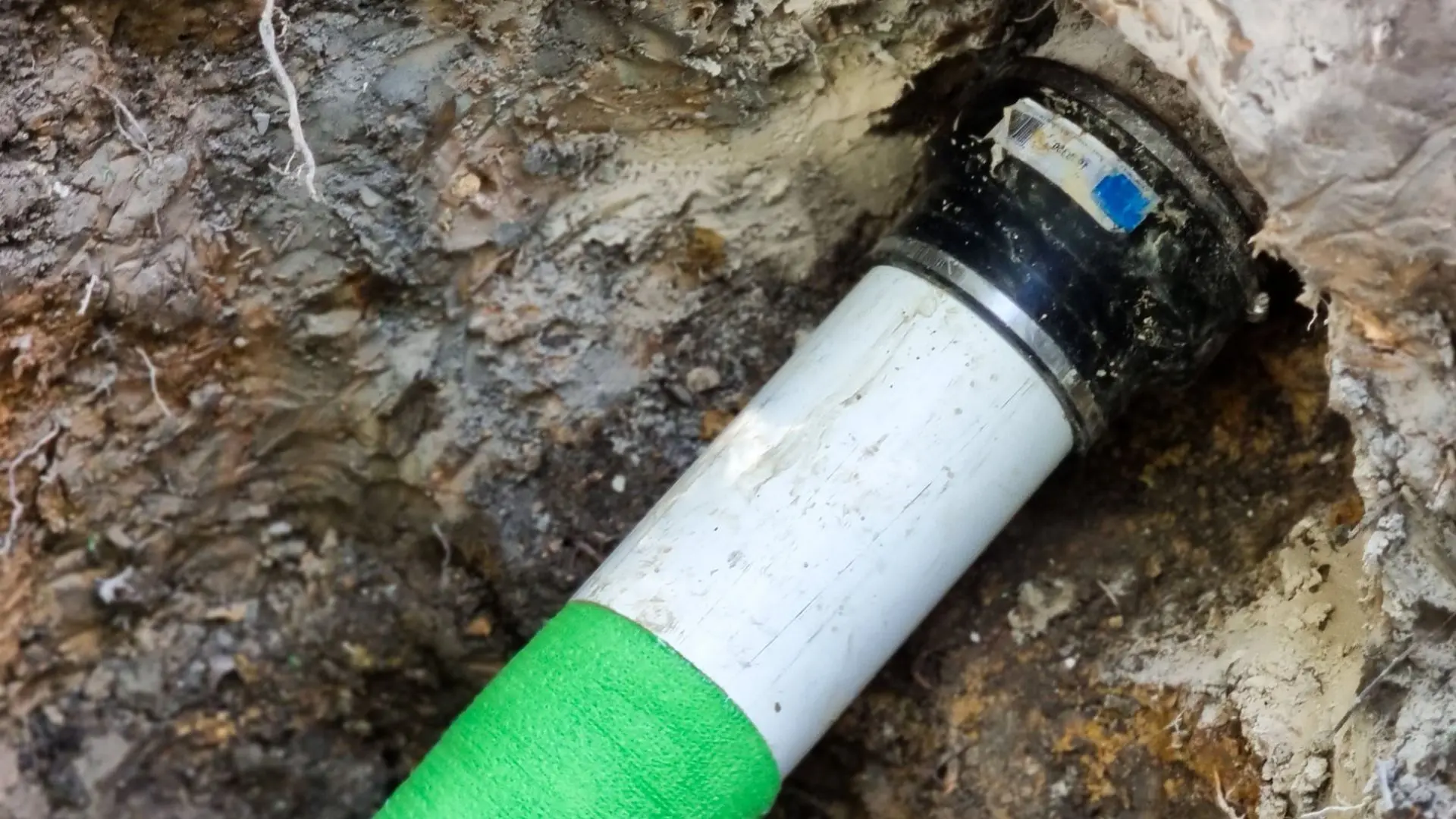
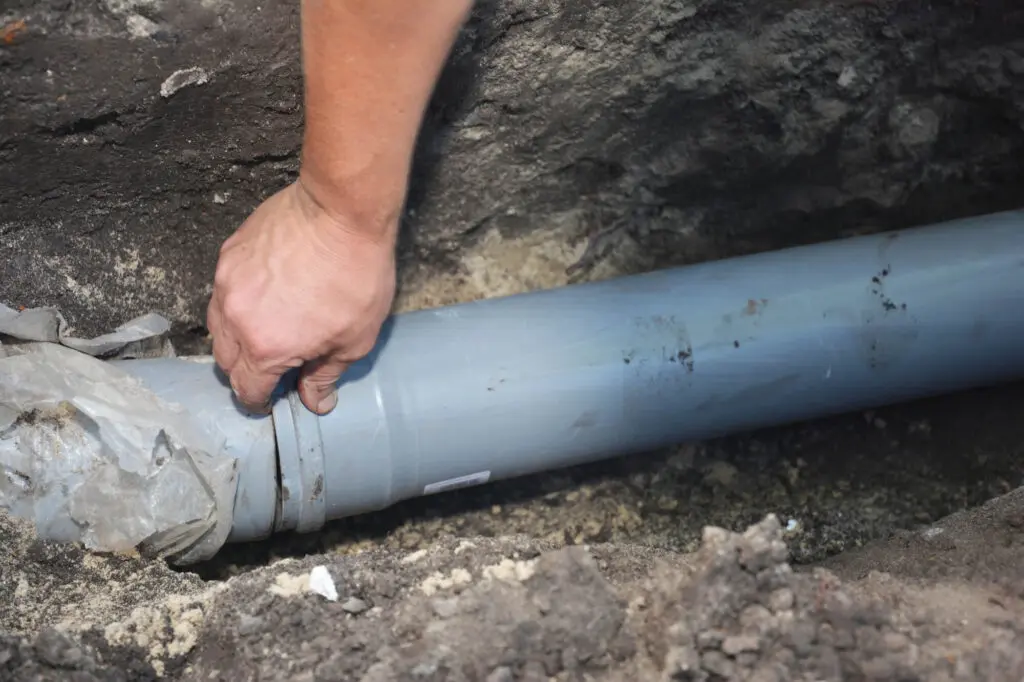
When a drain has suffered a complete collapse, severe displacement across multiple joints, or is made of a material that cannot support relining (such as heavily deteriorated pitch fibre), excavation and replacement is the most appropriate solution.
Drainsco’s excavation team exposes the damaged section, removes the failed pipework, and installs new PVCu or vitrified clay drainage to current Building Regulations standards. We handle all reinstatement — including backfill, compaction, and surface restoration — and all new pipework is covered by our 10-year installation guarantee.
Faulty or damaged connections between your property’s drainage and the public sewer network can cause persistent blockages, odours, and compliance issues. Drainsco repairs and replaces defective connections, handles Section 106 applications to the water authority where required, and ensures the repaired connection meets all regulatory standards.
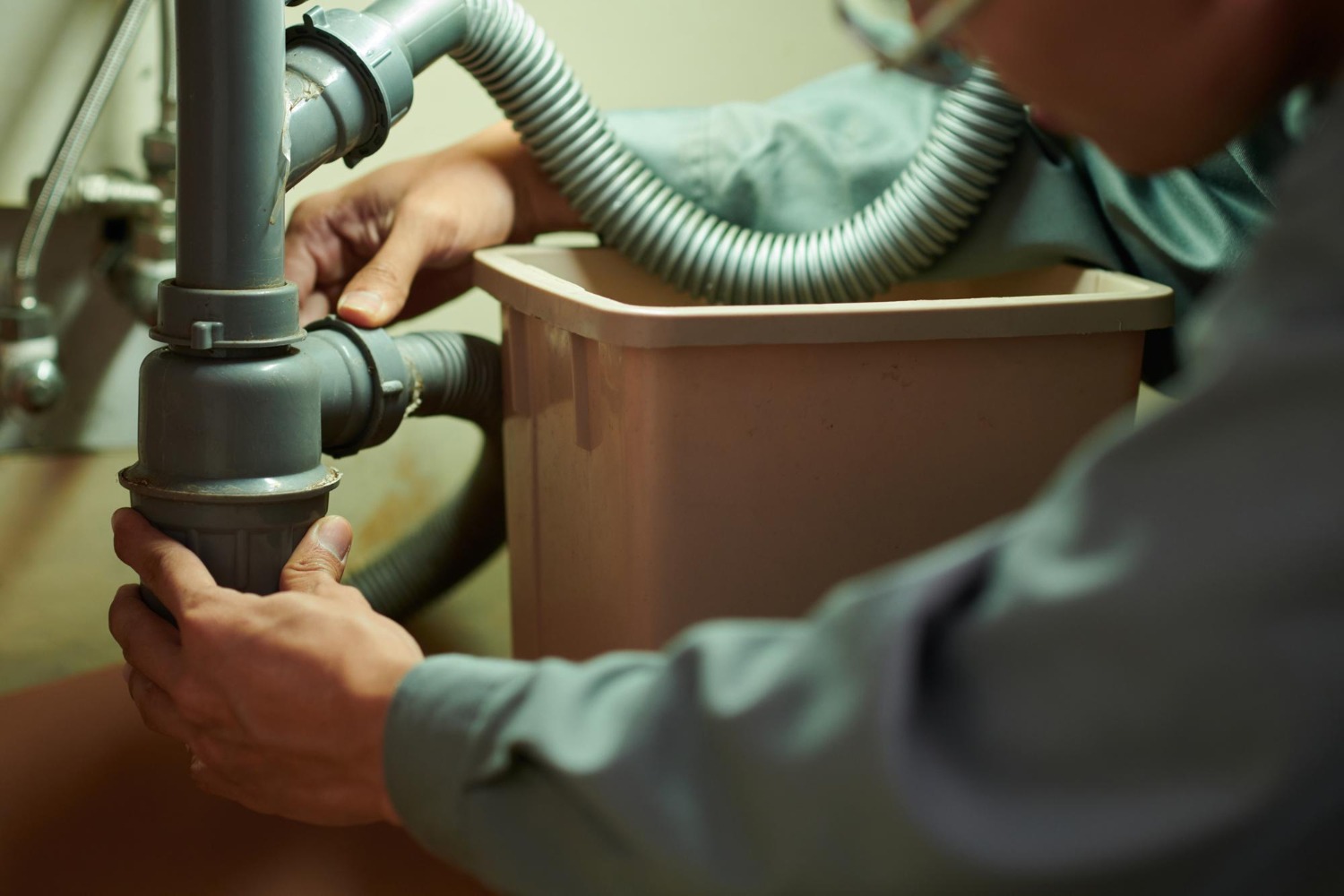
For commercial, industrial, and shared drainage systems with pipes of 225mm diameter and above, Drainsco provides structural GRP (Glass Reinforced Plastic) and felt lining solutions. These are engineered to reinforce and rehabilitate larger infrastructure without the disruption and cost of open-cut replacement.
Every Drainsco repair begins with a diagnosis, not an assumption. Our engineers use high-definition CCTV cameras to survey the full length of the affected drainage run, documenting the type, location, and severity of every defect. This footage forms the basis of your repair recommendation and is included in your report.
We never recommend a repair method without visual evidence. If a no-dig solution is viable, we’ll tell you. If excavation is genuinely necessary, we’ll explain why and show you the footage. The goal is always the most effective, least disruptive repair for your specific situation.
A CCTV drain survey is the definitive way to determine whether your drainage issue is caused by a clearable blockage or a structural defect that needs repair. Drainsco includes a CCTV inspection as standard with drain clearance work, so if we discover damage during a routine visit, we’ll flag it immediately and provide repair options.
In most cases, no. Standard drain repairs and relining work fall under permitted development rights. However, if your drainage connects to a public sewer, a Section 106 application to your local water authority may be required before the connection point is modified. Drainsco handles this process on your behalf where applicable.
Yes. CIPP relining is particularly valuable for under-building repairs because it avoids the need to excavate floors, foundations, or internal structures. We access the drain through external manholes or purpose-made access points and reline the full section running beneath the property. For collapsed under-building drains where relining isn’t possible, we can carry out localised excavation with minimal disruption.